Why AI Certificates Matter to Modern Hiring Managers
Moving beyond casual tech literacy to professional, validated expertise in the age of automation.
Not long ago, listing "Prompt Engineering" or "AI Tech Savvy" on a resume was enough to catch a recruiter's eye. Today, the landscape has radically shifted. As artificial intelligence embeds itself deeper into full-stack software development, IT infrastructure, and data-driven corporate environments, casual familiarity is no longer a differentiator.
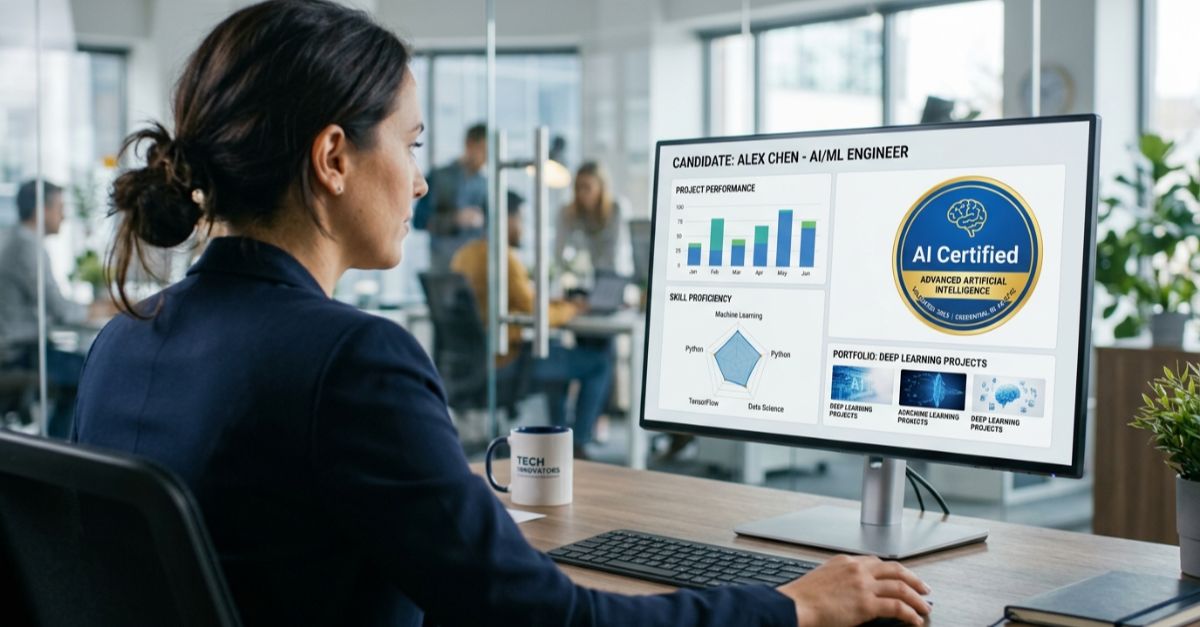
Modern hiring managers are facing an overwhelming influx of applicants claiming AI expertise. To separate genuine technical proficiency from shallow buzzword compliance, leadership teams are turning to structured validation mechanisms. This is precisely why formalized AI Certificates have rapidly transitioned from "nice-to-have" accents to critical resume filters.
"In an era where anyone can claim to use artificial intelligence, standardized credentials provide a baseline proof of competence that saves technical leads and recruiters hundreds of interviewing hours."
— Tech Recruiting Director & Enterprise Solutions Architect
The Shift to Validated Expertise
When an HR manager looks at a modern technical pipeline, they look for predictable problem-solving. An AI certification from an established cloud provider, accredited institution, or industry leader signals that an applicant has undergone rigorous assessment. It demonstrates familiarity with production-level AI pipelines, algorithmic governance, data security compliance, and practical business automation integrations.
The Pros & Cons of AI Certifications
✓ The Advantages
|
✕ The Limitations
|
The Strategic Takeaway for Professionals
An AI certificate shouldn't be treated as an isolated golden ticket. Instead, treat it as a robust structural framework. When you pair a verified certification with high-quality personal projects—such as an automated management module or integrated image verification pipeline—you present an undeniable value proposition to employers.

Thanks for your post, I need these type of more posts, how can I learn AI