
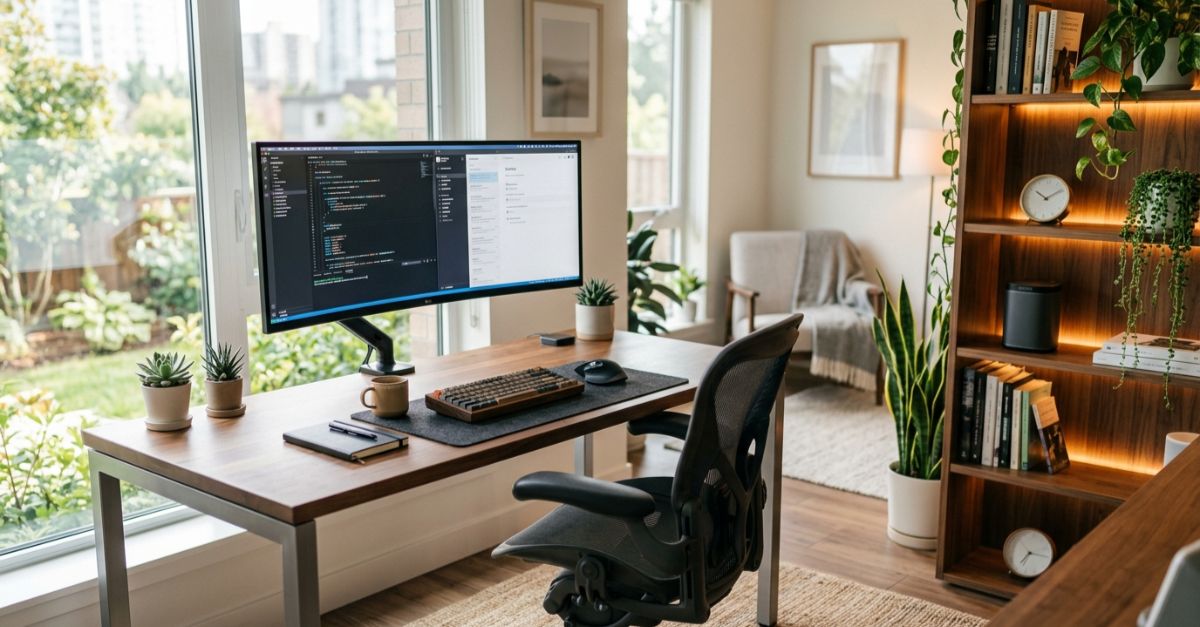
Transitioning to remote or hybrid work is one of the ultimate lifestyle upgrades, yet it comes with a silent challenge: the blur between personal comfort and professional focus. When your workspace sits just steps away from your relaxation zones, your brain can easily struggle to switch into high-efficiency gear.
Designing a highly productive home office isn't just about buying a desk—it is an exercise in lifestyle architecture. By making deliberate choices about ergonomics, lighting, and workflow boundaries, you can drastically minimize decision fatigue and unlock deep work states.
1. Prioritize Dynamic Ergonomics
Physical fatigue is a massive drain on mental stamina. Investing in an adjustable chair with solid lumbar support, or opting for a dual sit-stand desk frame, keeps blood circulating and prevents the mid-afternoon energy crash. Your screen should sit perfectly at eye level to alleviate neck strain.
2. Engineer Your Lighting Environment
Position your main workspace near a source of natural daylight to help stabilize your circadian rhythm and mood. For gloomy days or evening work sessions, utilize a dedicated monitor light bar or a desk lamp with warm, adjustable temperature controls (between 3000K and 4000K) to keep your eyes from straining.
"Your physical environment dictates your cognitive load. A workspace optimized for focus protects your energy reserves for the tasks that actually matter."
3. Clear the Digital and Physical Clutter
A cluttered desk creates a cluttered mind. Implement a strict "end-of-day reset" habit where loose documents, empty coffee mugs, and tangled cables are tucked away. Use under-desk cable trays to maintain a minimalist, visually clean landscape that instantly signals to your brain it’s time to focus.
4. Construct Sensory Barriers
Household noises are inevitable, but they don't have to break your concentration. Pair high-quality active noise-canceling headphones with curated focus soundscapes—such as brown noise or binaural beats—to create a portable acoustic shield around your desk.
5. Integrate Biophilic Elements
Bringing nature indoors has been scientifically proven to lower cortisol levels. Placing a few low-maintenance indoor plants (like a Snake Plant or Pothos) within your immediate line of sight softens the rigid corporate tech look of monitors and electronics, introducing a sense of calm.
6. Use Smart Micro-Zones
If your room allows for it, segment your space. Keep your main desk entirely dedicated to deep, high-value cognitive production. Set up a separate, minor zone—like an accent chair or corner—for reading physical documents or mapping out ideas on a notebook. This cognitive zoning keeps routines engaging.
7. Establish a Definitive Shutdown Trigger
The biggest risk to a remote lifestyle is overworking. When you finish your checklist, physically close your laptop, clear the desk, and stand up. Creating a dedicated "shutdown ritual" tells your mind that the operational shift has ended, allowing you to transition fully into your personal evening life.

Comments